
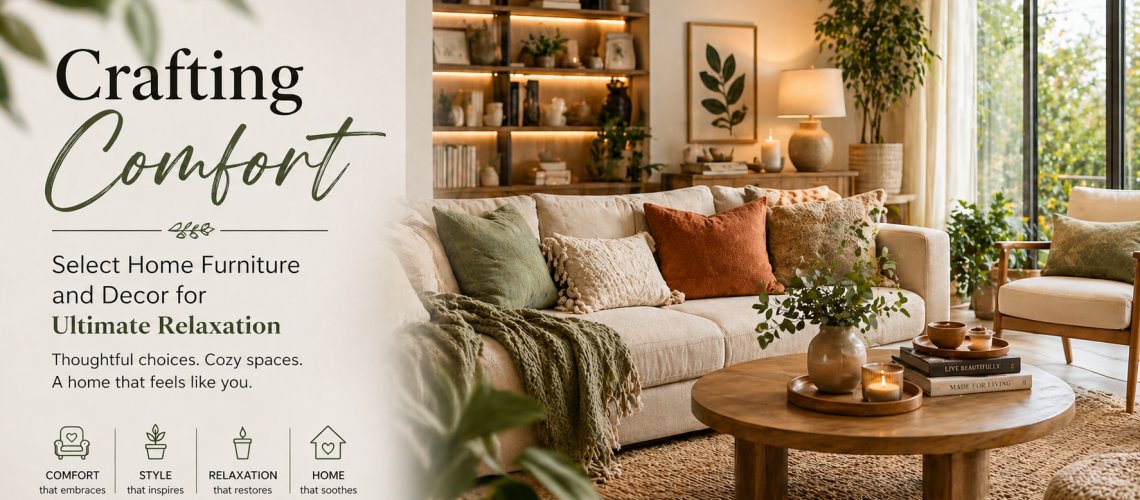
Your home is your haven—a place where the stresses of the day melt away the moment you step through the door. Achieving this level of tranquility goes beyond simply choosing trendy furniture and décor. It’s about intentionally creating spaces that prioritize comfort in every detail. In this guide, we’ll walk you through how to design a home that feels just as good as it looks—stylish, inviting, and deeply relaxing.
The Philosophy of Comfortable Living
Creating a comfortable home starts with understanding that comfort is personal. It’s not just about aesthetics—it’s about how your space makes you feel. Choose furniture that supports your lifestyle, not just your design preferences. From there, décor should complement your pieces, helping to create a cohesive and calming atmosphere throughout your home.
Comfortable Furniture: The Building Blocks of a Cozy Home
Furniture forms the foundation of comfort in any space. These are the pieces you live with daily, so they should be both functional and inviting.
A great sofa should feel like an invitation to relax. Look for options with plush cushions, deep seating, and supportive backrests. Modular sofas are especially practical, offering flexibility to adapt to your space and needs.
Chairs can serve as your personal retreat. Whether it’s a recliner, rocking chair, or classic armchair, the best options provide proper support while wrapping you in comfort.
Your bed is one of the most important investments for your well-being. A sturdy frame, supportive mattress, and soft, breathable bedding all contribute to restful sleep and overall comfort.
Tables should fit your lifestyle seamlessly. From coffee tables to dining tables, the right size and height make everyday activities—like eating, working, or relaxing—more enjoyable.
Decorating with Comfort in Mind
Décor is what transforms a house into a warm and welcoming home.
Soft textures instantly enhance comfort. Incorporate materials like faux fur, chenille, or plush fabrics through throws, pillows, and rugs to create a cozy environment.
Color also plays a major role in setting the mood. Soft blues, greens, and neutral tones can create a peaceful and calming atmosphere.
Lighting should be gentle and layered. Combine ambient, task, and accent lighting to add warmth and depth to your space.
Choose artwork that resonates with you. Whether it’s a calming landscape, abstract piece, or meaningful photograph, select items that bring you a sense of peace and joy.
The Little Things That Matter
Often, it’s the small details that make the biggest difference in comfort.
Cushions and pillows can turn an ordinary couch into a cozy retreat. Mixing different shapes and textures adds both support and visual interest.
Indoor plants bring life into your home while improving air quality, creating a fresher and more relaxing environment.
Personal items—such as souvenirs, heirlooms, or meaningful décor—help tell your story and make your space feel uniquely yours.
The Impact of Organization
A clutter-free space promotes a calm mind. Keeping your home organized enhances both comfort and functionality. Choose furniture with built-in storage and use organizers to keep everything in its proper place.
Embracing Technology for Enhanced Comfort
Modern technology can make your home even more comfortable. Smart devices allow you to control lighting, temperature, and other elements effortlessly, helping you maintain the perfect environment at all times.
Sustainable Comfort
Consider the long-term impact of your choices. Sustainable materials and well-made furniture not only last longer but also contribute to a more mindful and feel-good living space.
In Conclusion
Creating a comfortable home is about layering textures, embracing softness, and designing with intention. Every piece you choose should contribute to a sense of ease and relaxation. With thoughtful furniture, calming décor, and personal touches, your home can become a true sanctuary—one that reflects your style while offering the comfort you deserve.